



MENASHA (NBC 26) — Months after historic flooding and destructive tornadoes swept through the Fox Valley area, families are still working to repair their homes, replace belongings and regain a sense of normalcy.
Now, leaders from Winnebago, Outagamie and Calumet counties are joining forces with local nonprofits and faith-based organizations to make sure those families aren't left navigating the recovery process alone.
WATCH THE FULL BROADCAST STORY HERE:
Thursday, officials announced a coordinated long-term recovery effort, including a new process to help residents connect with assistance they may still need.
"For many families, the hardest part of recovery is now, and what comes now," said Ryan Rasmussen, secretary of the Long-Term Recovery Committee. "Putting their homes, their lives, and their sense of normalcy back together."
Two disasters leave communities facing a long recovery
In April, historic flooding affected communities including Shiocton, Bovina, Nichols, New London and Fremont.
Then, on July 27, an EF3 tornado struck Northeast Wisconsin, impacting Menasha, Fox Crossing, Neenah, Grand Chute and Appleton.
For emergency management officials and local organizations, that meant responding to two major disasters within months of each other.
While volunteers, first responders and community organizations worked to clear debris and provide immediate assistance, officials say the challenges facing some families have continued long after the storms.
"When the immediate emergency has passed, when the debris has been cleared, and when the headlines have faded, there are still neighbors facing significant challenges as they work to rebuild their lives," said the Rev. Ellen Rasmussen, chair of the Long-Term Recovery Committee.
And according to Christina Mueller, director of the Long-Term Recovery Committee, one of the biggest challenges is making sure assistance reaches the families who need it most.
"However, when resources are scattered, some people could receive help twice, while some are missed entirely. And that delays a recovery for everyone," Mueller said.
The new coordinated effort is designed to address those gaps by bringing county emergency management leaders, nonprofits, faith-based groups and other community partners together to share resources and identify remaining needs.
"It's about identifying gaps, avoiding duplication of services, sharing resources, and making sure people don't fall through the cracks simply because they don't know where to turn next," Ryan Rasmussen said.
New Unmet Needs Form offers another path to assistance
One of the biggest announcements Thursday was the introduction of a new Unmet Needs Form, intended to help residents who are still struggling with disaster-related damage or other hardships.
The form allows individuals and families to report needs that haven't been resolved through insurance, FEMA assistance, personal resources or other available support.
That could include remaining home repairs, damage from fallen trees or other disaster-related challenges that families have been unable to address.
Once the form is submitted, the Long-Term Recovery Committee can review those needs and, when appropriate, connect residents with disaster case management and organizations that may be able to provide assistance.
"A case manager can walk a person from where they're at, all the way to the point where they have recovered," Mueller said.
Officials emphasize that completing the form does not guarantee financial assistance or services. Instead, it helps the committee identify where additional resources may be needed.
Still recovering from the flooding or tornadoes?
Residents can complete the new Unmet Needs Form online:
CLICK HERE TO COMPLETE THE DISASTER RECOVERY UNMET NEEDS FORM
The form is separate from FEMA's disaster assistance application process, and officials encourage residents to explore all available options.
FEMA deadline approaching for July storm survivors
While local organizations work to address long-term recovery needs, residents impacted by the July 27 tornadoes and severe storms still have time to apply for federal disaster assistance.
The deadline to apply for FEMA assistance is December 7, 2026.
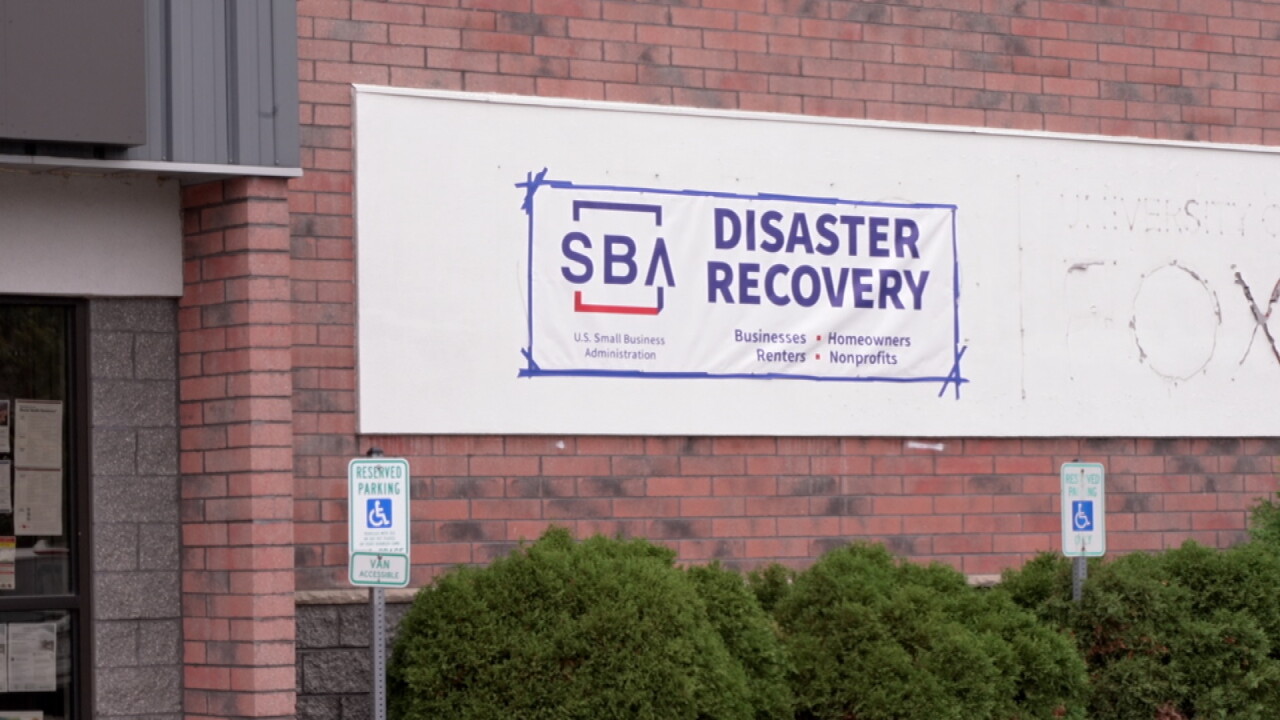
Residents can apply online at DisasterAssistance.gov, call 1-800-621-3362, or visit the FEMA Disaster Recovery Center at 1655 University Drive in Menasha.
"So we do have long-term recovery representatives here at the disaster recovery center. So you can come in and talk with them directly if you need assistance," said Cathy Bachhuber, an external affairs specialist with FEMA Region 5.
The center also provides residents with opportunities to ask questions about existing applications, submit additional documentation and receive guidance on FEMA decisions.
For residents affected by the spring flooding who submitted applications before the August 31 deadline, officials say assistance may still be available through the ongoing application and appeals process.
The Rev. Ellen Rasmussen encouraged residents not to assume that an initial denial means they have exhausted their options.
"Please, please do not assume that you are ineligible for assistance, or that an initial denial means the end of the process," she said.
FEMA officials say the Menasha Disaster Recovery Center does not yet have a confirmed closing date, although residents are encouraged to apply before the December 7 deadline.
Recovery effort expected to continue for years
Beyond immediate financial assistance and home repairs, officials say the recovery process can involve challenges that don't become apparent until months after a disaster.
Some homeowners may discover mold or additional structural damage over time. Others may continue dealing with the financial and emotional toll of rebuilding their lives.
That's why the Long-Term Recovery Committee says its work won't end when FEMA's application deadline passes.
The committee is developing a coordinated approach involving disaster case management, financial resources and emotional and spiritual support.
Rather than having residents contact multiple organizations without knowing where to turn, the goal is to connect them with community partners who may be able to address their specific needs.
And while the recovery effort is still developing, Mueller says the commitment is intended to last well beyond the immediate aftermath of the storms.
"We are here for the long haul. We are going to be here at least for the next couple of years," Mueller said.
For families still facing the damage left behind by this year's disasters, officials say the message is simple: Recovery takes time, and there may still be resources available to help.
Residents still in need of assistance can complete the Unmet Needs Form here.
