

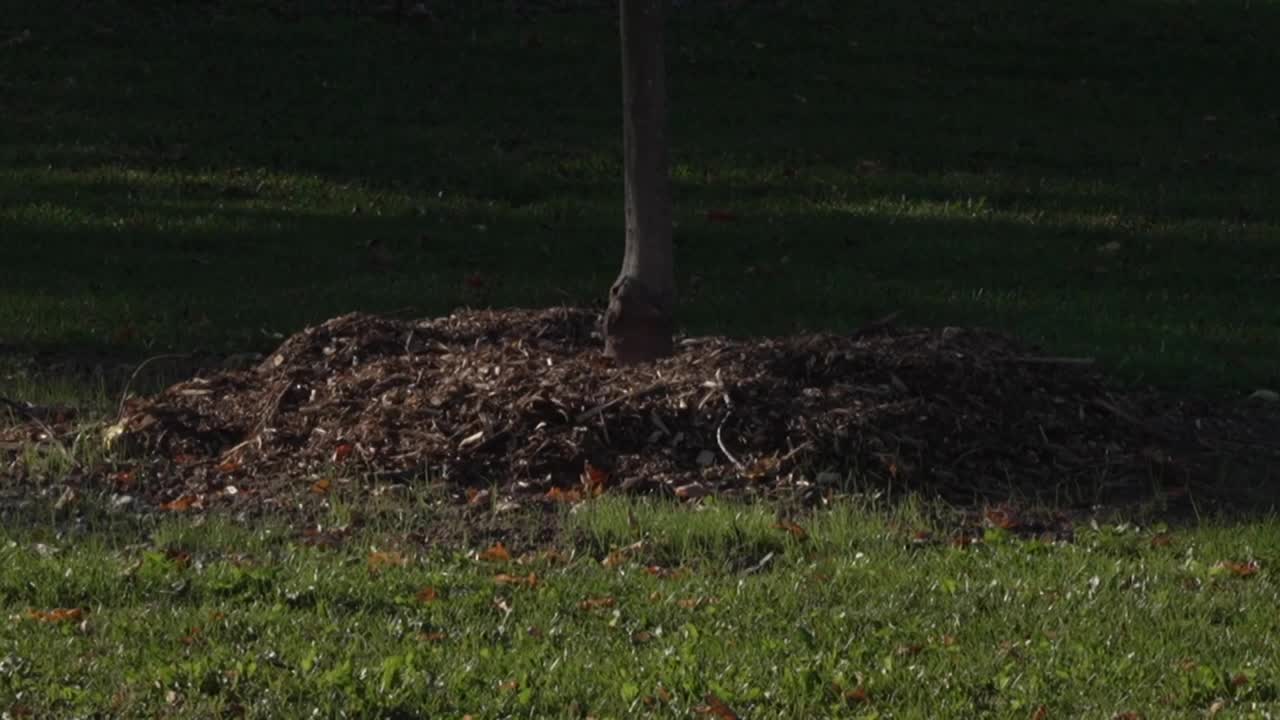


NEENAH (NBC 26) — More than two months after the July 27 tornado, communities across the Fox Valley are still confronting a loss that could take years to fully replace: thousands of trees.
In public parks and other city-owned spaces alone, Fox Crossing lost about 150 trees, Neenah lost more than 400 and Menasha lost more than 2,000.
"You don't really know what you're missing until it's gone," Neenah neighbor Kara Berghuis said.
In Neenah, the city is now moving from cleanup to rebuilding, announcing a multi-year plan to restore public trees damaged or removed by the tornado.
"When you lose 400 public trees, and that includes our park system as well as our street system, it leaves an impact," Neenah Parks and Recreation Director Michael Kading said. "When there's no trees standing, people notice, and people want to be part of that. People want to see the trees replanted."
Watch the broadcast story here:
Replanting will happen in phases
Neenah expects the overall replanting process to take between one and five years, according to the city's plan.
The tentative schedule begins with 35 trees at Riverside Park in September 2026, followed by approximately 70 more there in spring 2027.
In late summer or fall 2027, the city plans to plant approximately 80 trees across Doty, Kimberly Point and Fresh Air parks.
The city then plans to shift its attention to street terraces, with approximately 160 trees tentatively scheduled to be planted in fall 2028.
Some of that recovery is already visible at Riverside Park. Kading said about 37 trees were planted there this year after a donation allowed the city to begin the program earlier than originally anticipated.
Kading says there is a reason street trees come later - the city wants to give homeowners time to repair damaged houses, roofs, garages, fences, yards and landscaping before putting new trees in street terraces, where they could become another obstacle for contractors.
"We would rather get in, fix up your yards, fix up your homes, fix up your garages, and in '28 or so, we'll start the street tree program planting," Kading said.
Rebuilding differently
The plan is also about more than replacing one lost tree with another.
More than half of Neenah's current public trees are maples, according to the city. Urban forestry best practices recommend that no single species account for more than 10% of a healthy tree population.
As new trees go into the ground, the city plans to emphasize species diversity, disease resistance, climate resilience and long-term canopy value.
Kading said past experiences with Dutch elm disease and the loss of ash trees illustrate the danger of relying too heavily on any one species.
"If you can plant a diverse group of trees in different varieties, different species, you kind of immune yourself to those diseases," Kading said.
The work also involves more than planting.
"It's not just about planting trees," Kading said. "We've got holes in the ground. We had stumps. We got to clean those out. We got to put soil down, and then we've got to start planting those trees."
Assessments continue after the storm
Even as replanting begins, Neenah's assessment of the existing tree canopy isn't finished.
The city expects that work to continue for six to 12 months as crews identify trees requiring safety pruning or removal. Officials say some trees that appear sound now could begin showing storm-related problems when they leaf out next spring.
To focus funding and staff resources on tornado recovery, Neenah is also suspending its Trees for the Living and Private Street Tree programs for at least two years.
Funding for the recovery is expected to come from several sources.
Kading said the city is looking at grants through the Wisconsin Department of Natural Resources' urban forestry program, city funding and private donations. He said Neenah also plans to concentrate money from its existing tree-planting budget in the areas affected by the tornado over the next three to five years.
Residents can contribute toward public tree replacement, participate in future volunteer planting days and attend community forestry events. The city recommends a $500 donation for a public tree, an amount it says approximately covers the cost of buying, planting and providing first-year care for one tree.
For residents like Berghuis, who said she enjoys taking her lunch breaks at Riverside Park, seeing those trees return means getting back a piece of the community altered by the storm.
"I think that's awesome, a great opportunity to rebuild" Berghuis said.
