

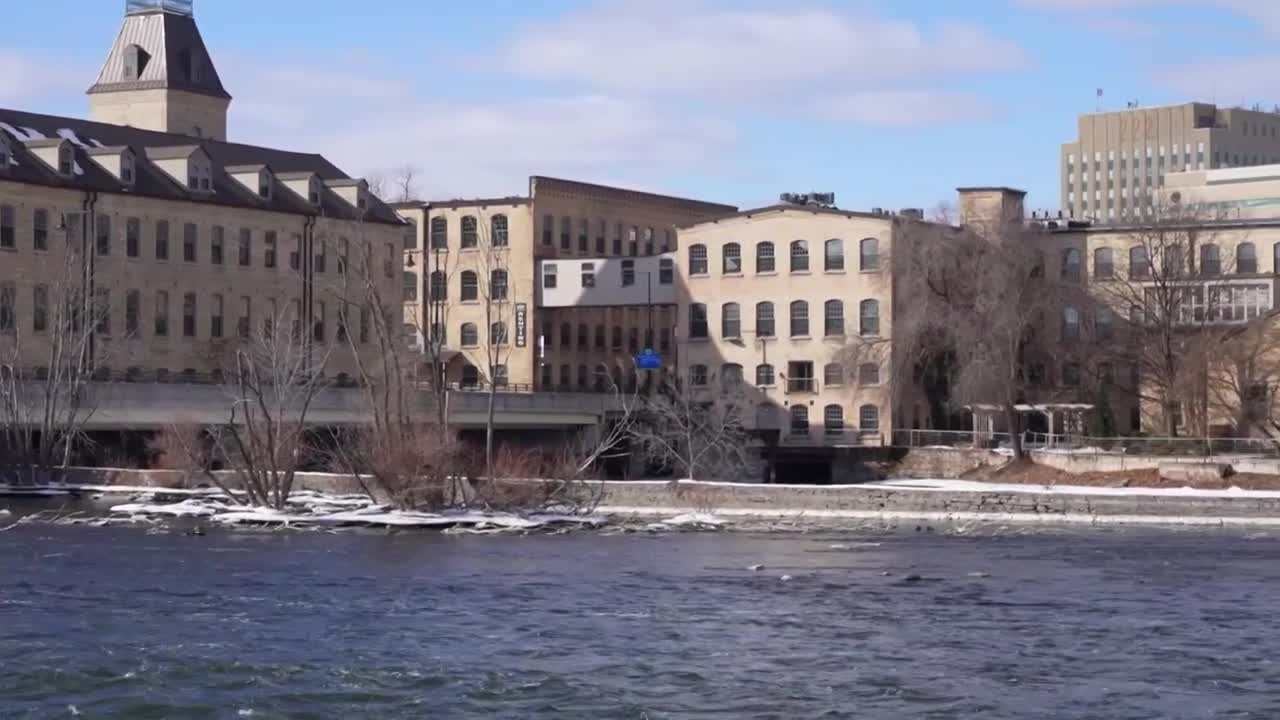


APPLETON (NBC 26) — Since the 1800s, the Fox Cities have been known as the Paper Valley, where dozens of mills once lined the Fox River, powering jobs, commerce and community life. But beginning in the late 20th century, one by one, the mills closed. Some that remain have found a new purpose.
Appleton began making paper in 1848, and by the 1870s, the city boasted the highest concentration of paper mills in the world, fueled by water power, nearby forests and labor.
"This was the Paper Valley, it's what we're known for," said Sheila Brucks from the Appleton Historical Society.
Watch the full broadcast story here:
But in the 20th century, things began to change.
"It was the beginning of the end," Brucks said.
Technology cut labor needs, global competition drove down prices and demand shifted.
For Brucks and many neighbors, this history isn't just in a book – it's personal.
"My dad worked here, he worked for Kimberly Clark for 47 years and most of it was at the Atlas," Brucks said.
The Atlas is one of the oldest mills in the valley still standing. But the historical society estimates only 10% of the buildings that once made paper are still there.
"They'll be here for your grandchildren – they're well built," Brucks said.
Some of the surviving buildings have found new purpose, like the Fox River Mills, which is now an apartment complex.
"You can see the spaciousness, you just don't see this," said Dave Goodman, who lives in Fox River Mills apartments.
Inside, the ceilings soar, the beams are thick with history and the layout is unconventional.
"We're vertically oriented," Goodman said.
Dave and Bobbie Goodman's home starts on the fourth floor and climbs up four more – a tower of history turned into a living space.
"New apartments can be sterile, the richness here is incredible," Goodman said.
While most of the old mills are gone and some sit quiet, a few have found new life.
"I think it's wonderful that people want to come back down to the river and to be part of what made our valley what it is," Brucks said.
