



BROWN COUNTY (NBC 26) — A horse in Brown County has tested positive for West Nile Virus (WNV), officials with the Wisconsin Department of Agriculture, Trade and Consumer Protection confirmed Tuesday.
Officials said an unvaccinated six-year-old Quarter Horse mare tested positive, marking Wisconsin's first confirmed case of West Nile Virus in a horse this year. In 2025, the department recorded five total cases of the virus in horses.
One human has also tested positive this year for the virus in Brown County, prompting local health leaders in De Pere, Oneida Nation and Brown County to urge residents to take extra precautions. Officials do not believe the cases are connected.
According to the CDC, West Nile virus causes no symptoms in most people, but for others, it may result in mild, flu-like symptoms. In fewer than 1% of cases, the infected person develops severe illness requiring hospitalization.
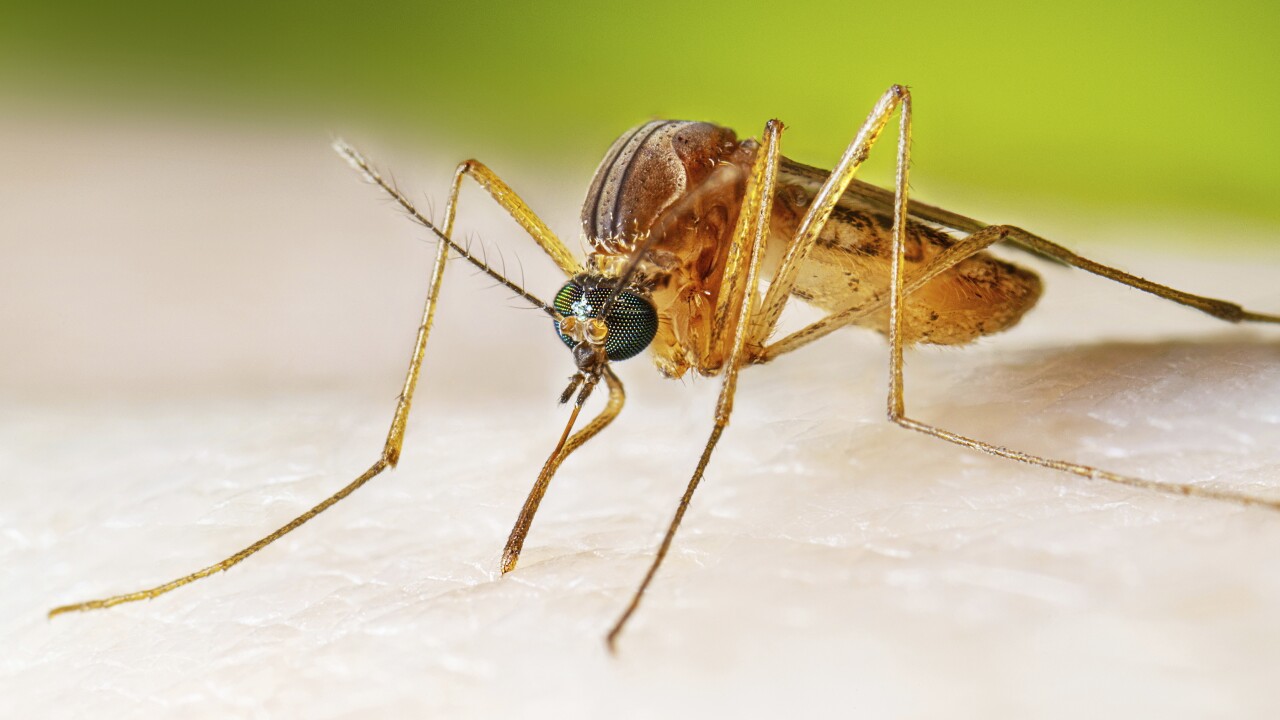
The virus cannot be spread directly between humans and horses, only through mosquito bites. Mosquitoes spread the virus from birds, which are considered natural reservoirs for WNV.
“Anyone can get sick if infected with West Nile virus,” said Anna Nick, Health Officer/Administrator for Brown County Public Health. “However, people who are older, have certain chronic medical conditions, or have weakened immune systems are at higher risk of severe illness.”
In horses, WNV symptoms include fever, loss of coordination, hind-end weakness, depression, loss of appetite, muscle tremors, teeth grinding, inability to swallow, head pressing, excessive sweating, collapsing without being able to rise, and inflammation of the brain. It is fatal in 30-40% of horses showing signs of illness, according to the DATCP.
Officials encouraged equine owners to speak with veterinarians about vaccinating their animals for WNV. The department also recommends limiting mosquito exposure by removing standing water that could become mosquito breeding grounds.
“Mosquitoes need water to breed,” said Chrystal Woller, Health Director/Officer for De Pere Health Department. “Get rid of potential mosquito breeding grounds by draining anything in your yard that collects water or allows even a small amount of standing water. Think about bird baths, flowerpots, tire swings, clogged gutters on your house, and yard debris that might allow water to collect.”
More information about West Nile Virus is available on the DATCP and CDC websites.
