


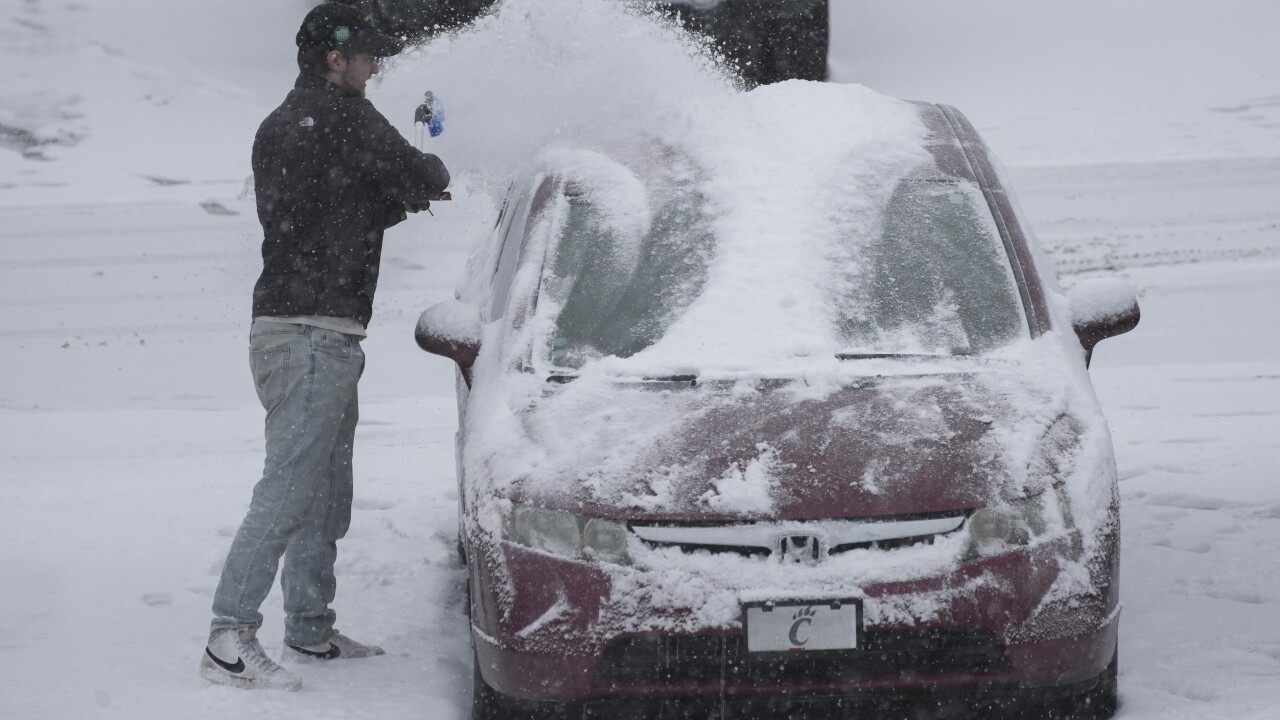


(NBC 26) — Cold temperatures affect vehicles in more ways that drivers might not expect.
Engine and transmission friction increases due to cold engine oil and other fluids. Engines also take longer to reach their most fuel-efficient operating temperature, which particularly impacts shorter trips since vehicles spend more time running at less-than-optimal temperatures.
Additional power demands from heated seats, window defrosters and heater fans also contribute to reduced efficiency. Warming up a vehicle before driving further hurts fuel economy since idling delivers zero miles per gallon.
Cold air creates additional challenges by increasing aerodynamic drag, especially at highway speeds. Tire pressure also decreases in colder temperatures, increasing rolling resistance.
Winter gasoline blends contain slightly less energy per gallon than summer formulations. Battery performance also suffers in cold weather, making it harder for alternators to keep batteries charged and affecting regenerative braking systems in hybrids and electric vehicles.
Severe winter weather conditions create even more problems. Icy or snow-covered roads reduce tire grip, wasting energy. Safe driving speeds on slick roads often fall well below normal limits, further reducing fuel economy, particularly at speeds below 30 to 40 mph. Using four-wheel drive also consumes more fuel.

TIPS TO IMPROVE WINTER FUEL ECONOMY:
While completely avoiding cold weather's impact on fuel economy isn't possible, drivers can take steps to minimize the reduction in gas mileage.
Parking in warmer locations like garages helps increase initial engine and cabin temperatures. Combining trips reduces the amount of driving with a cold engine.
The Department of Energy recommends minimizing idling to warm up vehicles. Most manufacturers suggest driving off gently after about 30 seconds, as engines warm up faster while being driven, allowing heat to turn on sooner while decreasing fuel costs and reducing emissions.
Other fuel-saving strategies include avoiding unnecessary use of seat warmers or defrosters, checking tire pressure regularly, and using manufacturer-recommended oil for cold weather driving. Removing wind-resistant accessories like roof racks when not in use also helps.
For plug-in hybrid and electric vehicle owners, preheating the cabin while plugged into a charger can extend driving range. Using seat warmers instead of cabin heaters can also save energy and extend range.
It is also recommended that you keep your gas tank at least half full to ensure that the condensation created doesn't freeze, which can clog the fuel lines.
For more information, you can check out the U.S. Department of Energy's website here.
