

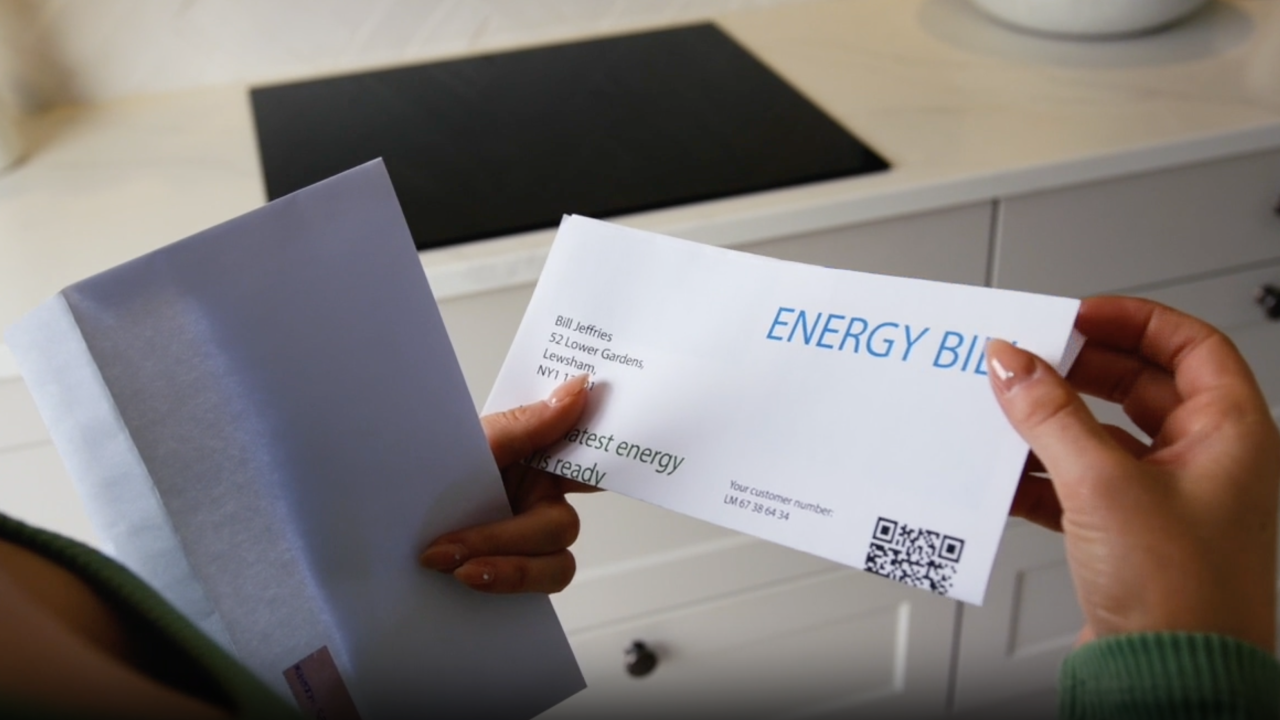


GREEN BAY (NBC 26) — Wisconsin Public Service (WPS) wants to raise electric and natural gas rates, and residential customers would take the biggest hit.
Before any changes take effect, residents had a chance to weigh in during two public input sessions Tuesday at the Neville Public Museum in Green Bay. The sessions were a part of a Public Service Commission of Wisconsin public hearing.
The purpose of the meetings were to gain public input before the PSC decides whether or not to allow the rate increase.
The commission is expected to make a decision in November. If approved, the increase would start in January.
Most of the people who spoke at the public hearing were against the increase.
"It's not affordable, and it's not reasonable," Denise Larson, a Green Bay resident, said.
“You can’t squeeze blood from stone, we’re already pretty strapped for cash as it is," Ellie Lisowe, an Oshkosh resident, said.
The Citizens Utility Board, a non profit advocating for affordable and reliable utilities in Wisconsin, attended the public hearing.
Executive director of CUB said he believes the rate increases are unnecessary.
"The parent company of WPS has had record profits for years and years, and customers are paying for that" he said.
According to WPS's 2025 annual report, the company's net income increased by $40.7 million between 2024 and 2025.
The parent company of WPS, WEC Energy, had over $1.5 billion in earnings in 2025.
“This is where the public service commission of Wisconsin comes in. This rate filing is made in a very public, very open and very transparent way," WPS spokesperson, Matt Cullen, said.
WATCH THE BROADCAST STORY HERE:
How much would bills go up?
According to data filed with the Public Service Commission of Wisconsin, a typical household using 660 kilowatt-hours of electricity per month would see their bill rise by $11.90 (10.3%) in 2027 and $17.33 (nearly 15%) by 2028, compared to what they pay now.
Natural gas customers would also see a base rate increase of nearly 5% in 2027.
“For each individual customer, it also depends on how they’re using energy at their home or their business, and are there steps, are there ways, are there resources that they can take to be able to manage those costs effectively," Cullen said.
Why is this happening?
WPS says the increases are needed to pay for:
- New solar farms, wind farms, and battery storage projects adding approximately 395 megawatts of capacity to the region by the end of 2028. According to WPS, these projects have already been approved by the PSC.
- A $48 million increase in day-to-day operating costs in 2027, driven by years of high inflation and rising interest rates.
- Burying 80-100 miles of powerlines over the next two years
- Trimming 2,200-2,700 trees around WPS equipment over the next two years.
- Ongoing investments in electric and gas system reliability.
“These are investments that benefit all of our customers by reducing power outages, by improving power outage restoration times, and by minimizing the amount of emergency repairs that we need to make," Cullen said.
The company adds that fuel costs are actually expected to drop by about $18 million in 2027 as more renewable energy comes online and commodity prices decline.
NBC26 asked Cullen whether he expected rates to decrease eventually, if this initial rate increase is improved by the PSC.
“Right now we’re just focused on the next couple of years," he said. "We do regularly evaluate the rates that customers pay and the investments that are needed in our system.”
Content says the investment in renewable and reliable energies doesn't mean WPS needs to raise their rates.
"You can do both, you can have reliability, and you can have more renewable energy and have a good system, but you can also have a system that doesn’t profit excessively on the backs of the people paying the bills," he said. "There's a lot of room to bring down the profits."
What if you can't afford it?
WPS already has programs to help struggling customers. Its Low-Income Forgiveness Tool — known as LIFT — helps about 4,000 customers a year reduce or eliminate past-due balances. The company also offers budget billing plans and can help customers sign up for state and federal energy assistance programs, including the Focus on Energy efficiency program.
How do you have a say?
Public hearings were scheduled for 1 p.m. and 6 p.m. Tuesday, Sept. 29, at the Neville Public Museum in Green Bay (210 Museum Place). You could also join via Zoom.
Additionally, written comments can be submitted directly to the Public Service Commission of Wisconsin until Oct. 5.
If you choose to mail a comment, the letter must reach the PSC before the deadline.
