



GREEN BAY (NBC 26) — At the Resch Center next month, the WIAA will celebrate the 50th anniversary of the girls state basketball tournament. And while there are some amazing girls hoopers in northeast Wisconsin, there’s one giant problem.
“I want the whole program to thrive, man,” said Green Bay Southwest head coach Ronald Jackson. “We'll get there. I promise you we're gonna get there. We just gotta keep pushing.”
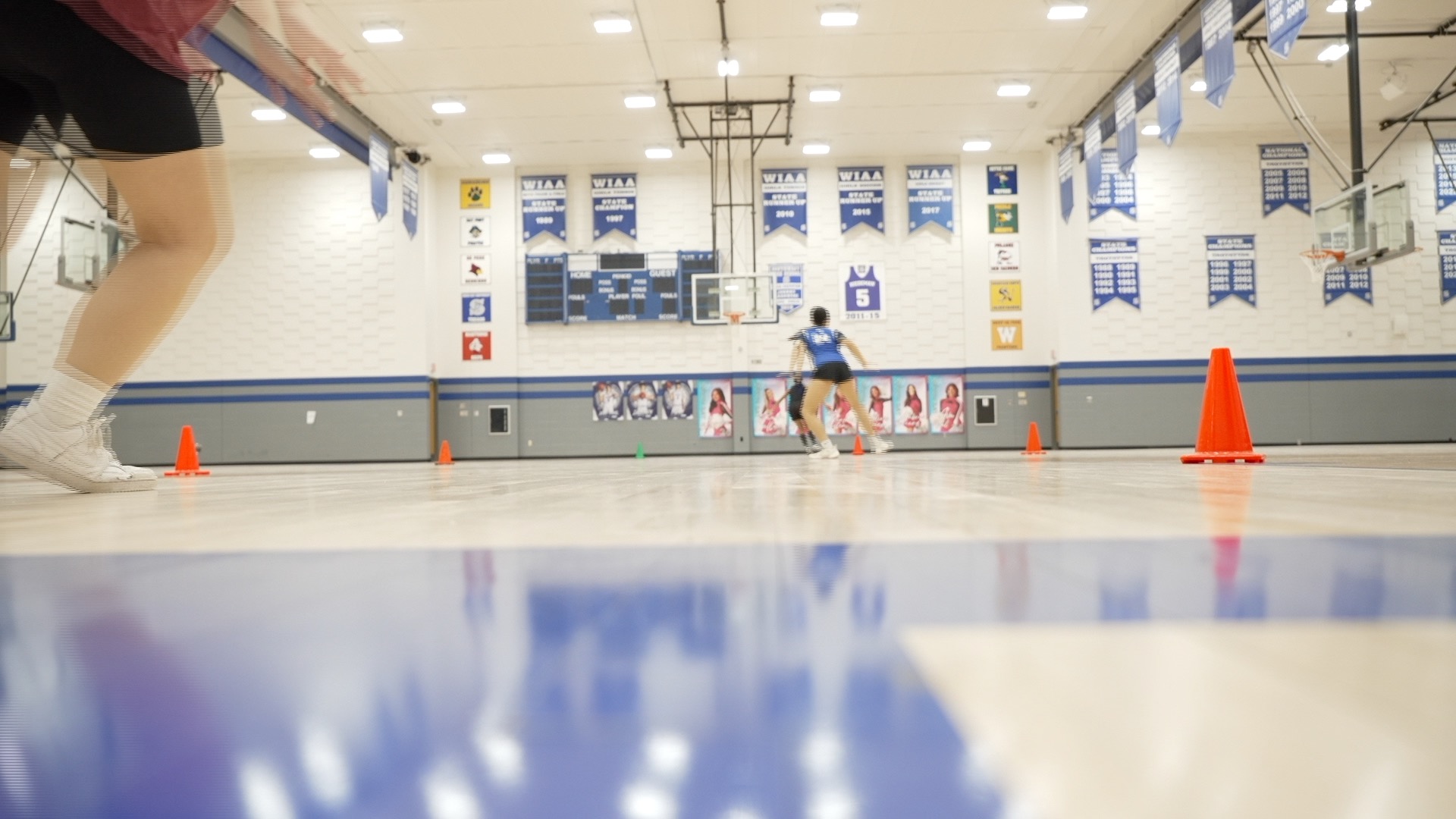
Jackson is coaching the junior varsity girls basketball team. The reason he’s not coaching varsity? Because the school doesn’t have the numbers to field a team.
“Tough decision not to have varsity this year, but I think we're doing the right thing by building the program from the ground up again,” said Green Bay Southwest athletic director Chris Williams.
Just two years ago, Southwest made a tournament run to the sectional round, but last year they were losing games by anywhere from 90 to 100 points.
“For me it was a little bit upsetting, especially for being an upperclassman and also a team captain to some of these girls,” said Green Bay Southwest junior Tia Thao. “I was, you know, hoping to be able to lead the program and, you know, make sure the program is going to continue to grow.”
“It definitely had a downfall on our positivity and liking of the game,” said sophomore Demianna Kaquatosh.
But this isn't just a Green Bay Southwest problem. It’s a Wisconsin problem.
Watch the full story here!
According to National Federation of High School Sports, or NFHS, girls high school basketball participation in the state has dropped by almost 25 percent over the last 15 years — 9,482 participants in 2023-24, compared to 12,479 in 2009-2010.
“A lot of people think it may be just in Wisconsin, but it is across the country that the number of people participating in girls basketball is decreasing,” said WIAA assistant director Melissa Gehring.
WIAA assistant director Melissa Gehring played high school and college basketball in Wisconsin. She says if she had one wish professionally it would be to get those numbers back up.
“I do believe the experience of playing girls basketball and what you learn from it and representing your school is one of the most awesome things you can do,” she said.
Gehring says there’s not a single reason for the dip, but she has a theory. She says she's seeing many athletes stop playing after middle school — players who might not be stars, but just played for the fun of it.
“Those are the kids we tend to be losing, because people are taking this so seriously with all of that, and those are the kids we need to maintain high school teams,” Gehring said.
She says basketball can also be a commitment — time-wise and money-wise. Something we've previously reported in our "Beyond the Score" series.
“It used to be you would play when you were younger locally, right, and you would stay local,” Gehring said. “Now people are expected to travel much further to keep up with the Joneses, so to speak, and it's very expensive.”
I also spoke with Lisa Van Wyk, president and founder of the Wisconsin Blaze club team. She agrees with Gehring. Basketball at the varsity level now demands a much higher level of skill and takes time to hone those skills.
“They have to be in the gym consistently,” Van Wyk said. “I mean anywhere from 3 to 5 days a week there's just so many, basic fundamentals but also advanced skill set that really they need to have to be successful at a higher level.”
Van Wyk and Gehring encourage girls not only to maintain their passion for basketball but also to actively participate in multiple sports.
“I know there's been studies to show that it's better for kids physically, but also just different perspectives from different coaches, different things you learn from different sports,” Gehring said. “I think it's very important to play multiple sports in high school.”
With the exposure of women’s college basketball and the WNBA on TV growing, Gehring says she believes the participation numbers can head back in the right direction.
“I do think there's going to be a swing back.”
People NBC 26 spoke with also pointed to the rise in club sports and single sport specialization as another reason for the dip in numbers. But from a positive aspect, Van Wyk and Gehring say girls now have more sports to play than ever before, from volleyball to wrestling and even flag football.

